How We Teach
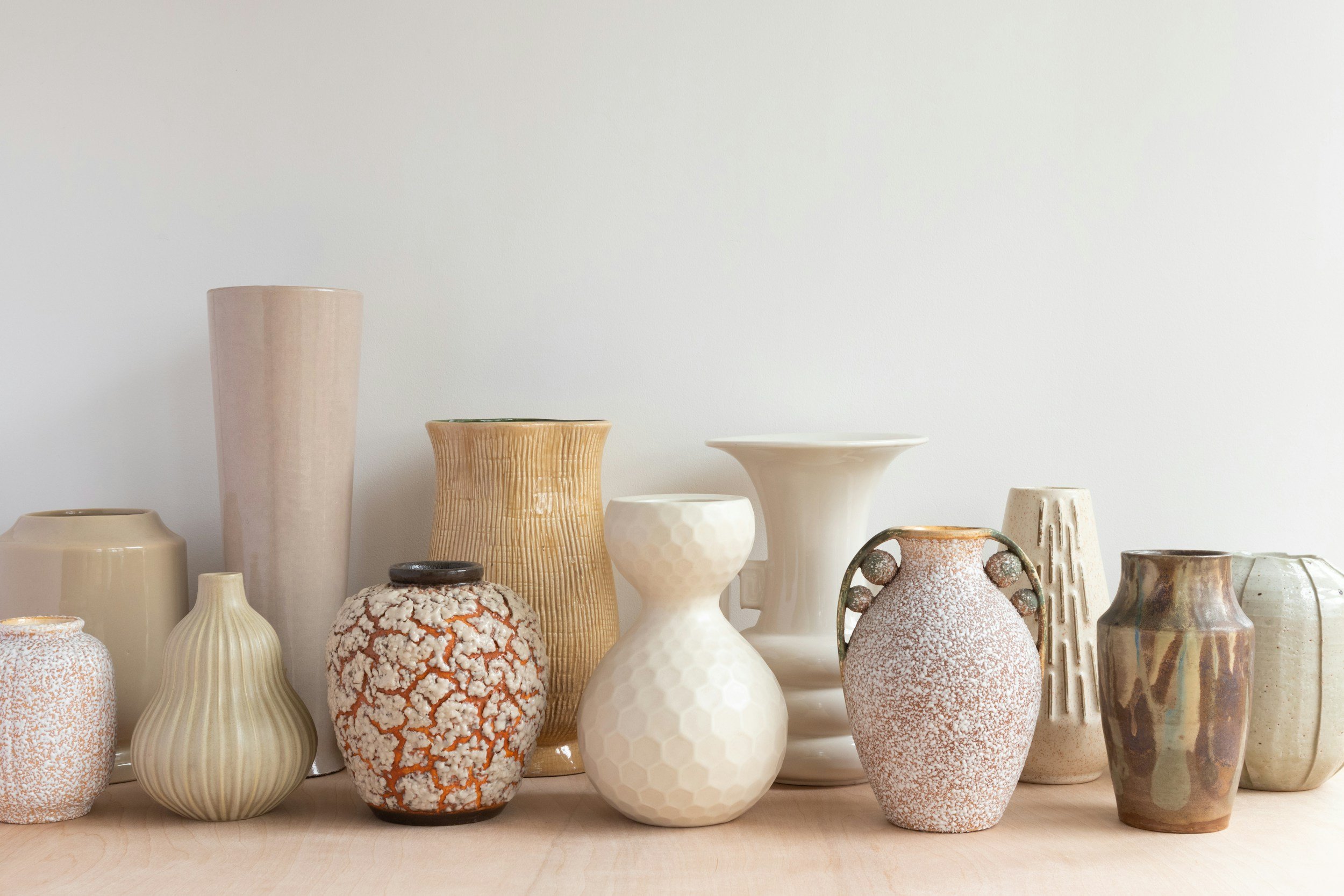
We're not all going to make the same thing.
I'll show you the techniques, give you time to practice and experiment, and then hand you studio time to make something that's yours.
to learn something new is to spend time doing it.
At Blue Cow Art Studio, we spend time thinking about how artists work:
How do they think about their work?
How do they come up with ideas?
How to use and care for their materials?
What choices do they make to develop their own style?
Every class at Blue Cow runs on giving artists choices — third graders and retirees alike. Learning to think like an artist works the same way at nine and at forty-nine.
You are an artist. And Blue Cow Art Studio will be your studio. It is a place for you to explore, to learn, and to grow as an artist
Rather than following a set of steps to produce the same picture as everyone else, you will be given instruction and then time to play and experiment with materials. You will learn how you like to use the materials, and what you want to do with them to express your artistic ideas.
What actually happens in class
There's a deliberate balance of instruction and student-led studio time. It usually moves in this order:
1. Bootcamp
New unit, new material. Before anyone commits to a final piece, we spend time just messing with it — clay, watercolor, whatever's next. Low-risk, judgment-free, and no product expected.
2. Technique demo
Most classes open with everyone exploring a new technique. You find out what works, what doesn't, what you enjoy, and where the material pushes back. The demo is never the finished piece.
3. Exploration
Once you've got the basics of a new medium, there's built-in time to figure out how you want to use it — what works for you, and how you like to handle the new items in your artist’s toolbox.
4. Studio time
You make your own work, from your own ideas, in your own voice. Sometimes there's a prompt or a theme to push against; sometimes the focus is a new tool. The piece is always yours.
Where I fit: While you’re creating, I'm there for your questions and your ideas, to give feedback and point you toward resources while you explore. I'm not there to hand you the answer.
The hardest part isn't technique. It's the idea.
Coming up with an original idea is one of the most difficult things to do in art making — so we practice it directly. How do artists get ideas? Where do they look, what do they collect, how do they push one thought into the next? It's a skill like any other, which means it can be taught, and it gets better with practice.
Nothing to compare yourself to
When everyone in the room is following their own idea, there's no "right" version sitting on the next table. That frees you up to develop in your own way, at your own pace — which is the only pace that actually works.
What it feels like in here
Safe. Fun. Engaging. Relaxed. Welcoming. Judgment-free. Usually loud with laughter. And sometimes genuinely challenging — because exploring new ideas should nudge you out of your comfort zone.
But I've got you.
What type of Class are you looking for?
Grades 3-5
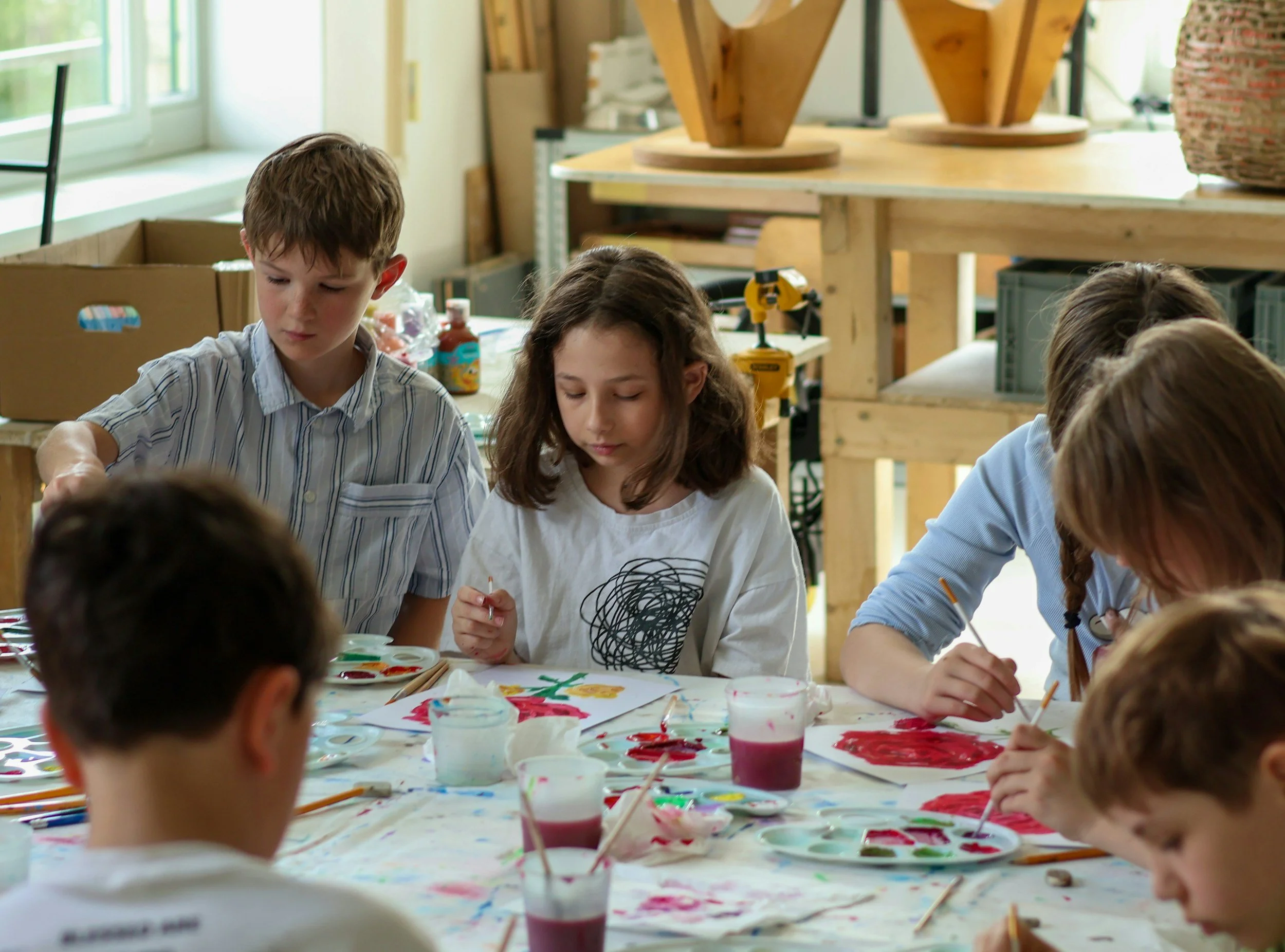
Grades 6-8
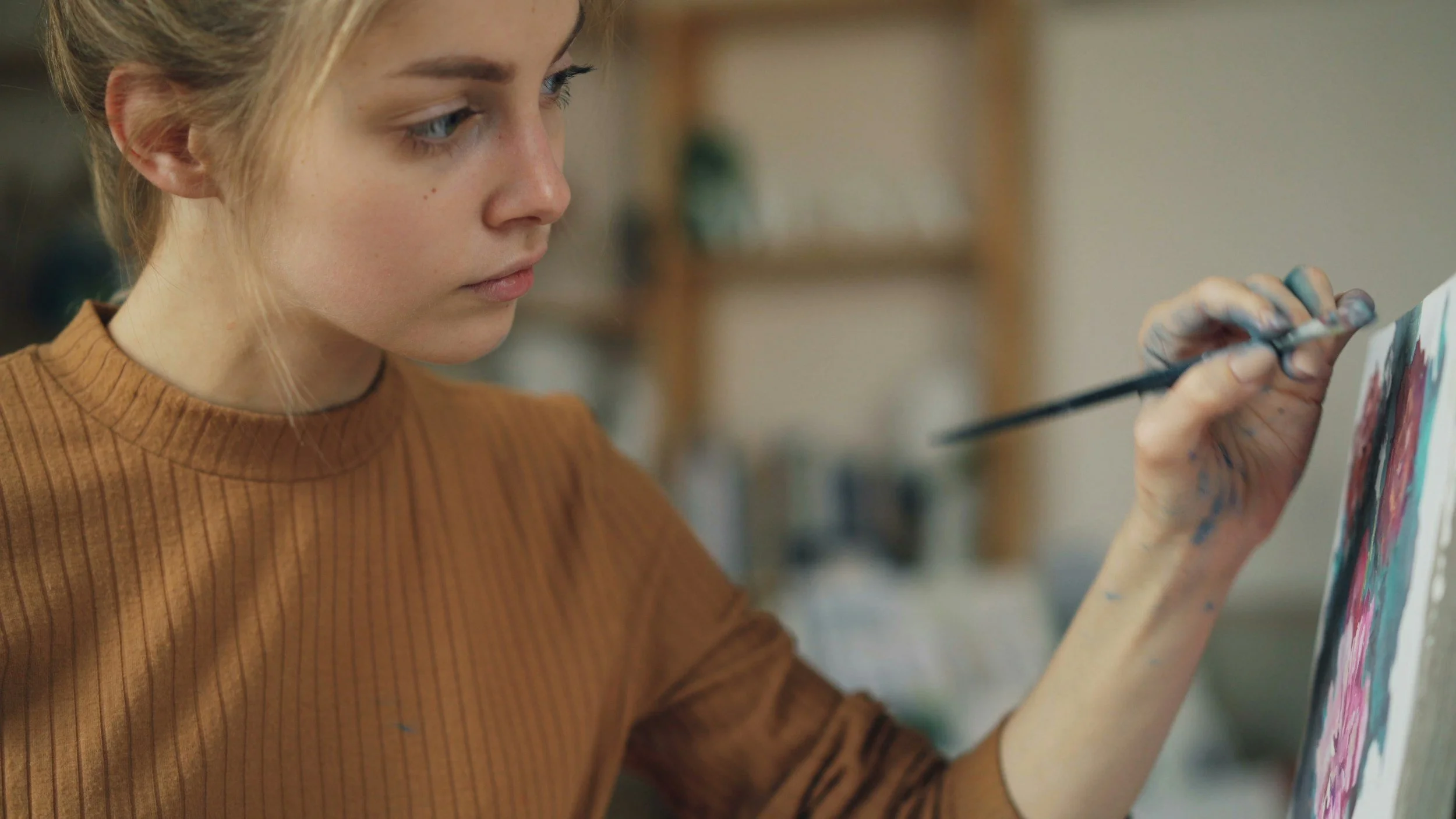
Adults